
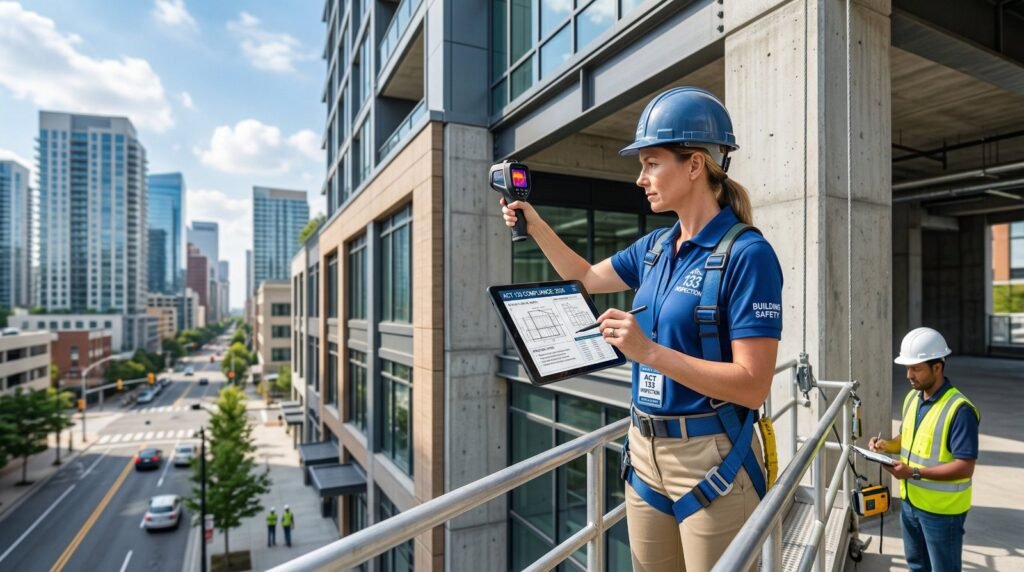
As Malaysia’s urban skyline continues to expand, ensuring the safety, stability, and longevity of commercial and residential structures is a paramount concern for property owners, developers, and contractors. A cornerstone of maintaining this structural integrity is conducting a rigorous Periodic Building Inspection. With impending regulatory shifts, achieving compliance with Act 133 Malaysia—specifically Section 85A—is no longer just a legal formality; it is an urgent necessity for building safety and risk management.
By 2026, local authorities are expected to enforce stricter compliance measures for older buildings. Understanding these mandates and proactively scheduling a comprehensive Periodic Building Inspection will safeguard your investments, prevent catastrophic failures, and ensure full adherence to Malaysian building laws.
What is a Periodic Building Inspection?
A Periodic Building Inspection is a mandated, systematic evaluation of an existing building’s structural health. Conducted by a certified Professional Engineer (PE), this assessment is designed to identify signs of structural degradation, material fatigue, and potential safety hazards that could compromise the building’s stability over time.

Unlike routine cosmetic checks, a proper building safety inspection delves deep into the core framework of a structure. It examines load-bearing walls, foundational pillars, roofing systems, and facades to ensure they can continue to withstand environmental stresses and usage loads safely.
Understanding Act 133 Malaysia and Section 85A
In Malaysia, the structural safety of buildings is governed primarily by the Street, Drainage and Building Act 1974 (Act 133). Within this act, Section 85A explicitly addresses the requirement for periodic building inspections.
Under Section 85A of Act 133 Malaysia, any building that exceeds five storeys in height (or specific criteria set by local authorities) must undergo a mandatory structural inspection after the 10th year of its completion (from the date the Certificate of Fitness for Occupation or Certificate of Completion and Compliance was issued). Following the initial inspection, subsequent inspections must be carried out every 10 years.
The primary goal of this legislation is to prevent building collapses and ensure public safety by enforcing rigorous engineering standards across the nation’s infrastructure.
Why Building Maintenance 2026 is a Crucial Milestone
As we approach the latter half of the decade, building maintenance 2026 has become a buzzword among property management and development circles. Many buildings constructed during Malaysia’s construction boom in the mid-2010s are rapidly approaching their 10-year maturity mark.
Local municipal councils (Pihak Berkuasa Tempatan or PBT) are ramping up their tracking systems. Property owners who fail to proactively conduct a structural inspection ahead of their 2026 deadlines may face severe administrative bottlenecks, heavy fines, and potential mandatory evacuation orders if structural integrity is deemed questionable.
The Comprehensive Structural Inspection Process
A compliant building safety inspection is not a mere walk-through. It is a multi-phased engineering analysis that requires specialized expertise and state-of-the-art equipment. At Pro Inspect Solution, we execute a meticulous methodology to ensure your building meets all statutory requirements.
1. Visual and Technical Condition Assessment
The first step involves a comprehensive Building Condition Assessment. Engineers visually inspect the building for visible signs of distress such as spalling concrete, severe cracking, differential settlement, and water ingress. If existing structural plans are missing or outdated, our As-Built Survey & Drawing Services are utilized to accurately map the current structural layout.
2. Advanced Façade and Aerial Surveys
High-rise buildings present unique challenges. To safely and accurately assess hard-to-reach areas without costly scaffolding, we employ modern Façade & Roof Inspection (Drone) technologies. High-resolution thermal and visual data allow us to pinpoint micro-cracks and structural anomalies efficiently.

3. Non-Destructive Testing (NDT) and Material Analysis
If visual inspections reveal potential defects, our team initiates advanced testing. Leveraging our Concrete Technology Consultancy, we perform carbonation tests, rebound hammer tests, and ultrasonic pulse velocity tests to assess the internal strength of concrete elements without damaging the structure.
4. Dilapidation and Impact Studies
For buildings situated near active construction zones, or those showing age-related wear, a Dilapidation Survey is highly recommended alongside the standard periodic inspection to accurately document the building’s current state and separate pre-existing damage from newly induced stress.
Consequences of Non-Compliance
Failing to adhere to the requirements of Act 133 carries severe repercussions. Local authorities have the mandate to impose hefty fines on building owners or Joint Management Bodies (JMB/MC) who neglect their duties. More importantly, delayed inspections can allow minor structural defects to evolve into life-threatening hazards.
In the unfortunate event of a building failure or safety dispute arising from negligence, property owners may find themselves in complex legal battles. In such scenarios, professional Expert Witness & Dispute Resolution services become necessary to navigate structural litigation. Proactive maintenance is always more cost-effective than reactive legal defense and structural emergency repairs.
How Pro Inspect Solution Can Help
Navigating the legalities of Act 133 Malaysia and ensuring your property is prepared for building maintenance 2026 requires a trusted partner. Pro Inspect Solution is a leading authority in structural assessments in Malaysia.
Our team of registered professional engineers is equipped to handle everything from standard Periodic Building Inspections to highly specialized material testing. We provide actionable, detailed reports that not only satisfy municipal compliance but also give property owners peace of mind regarding the safety and longevity of their assets.
Frequently Asked Questions (FAQs)
How often is a Periodic Building Inspection required under Act 133?
According to Section 85A of the Street, Drainage and Building Act 133, a mandatory periodic building inspection must be conducted 10 years after the building receives its Certificate of Completion and Compliance (CCC) or Certificate of Fitness (CF), and every 10 years thereafter.
Who is authorized to conduct a building safety inspection in Malaysia?
By law, these inspections must be carried out by a registered Professional Engineer (PE) with a practicing certificate in the structural engineering discipline, recognized by the Board of Engineers Malaysia (BEM).
What happens if a building fails the structural inspection?
If the engineer identifies critical structural defects, they will issue a report detailing the required rectification works. Building owners are legally obligated to execute these repairs within a stipulated timeframe to ensure public safety and regain compliance.
Can drones be used for periodic inspections?
Yes, utilizing drone technology for façade and roof inspections is a highly effective, modern approach. It allows engineers to safely assess high-rise exteriors for cracks, spalling, and weathering without the need for expensive and time-consuming scaffolding.
Ensure Your Building is Safe and Compliant Today
Don’t wait until you receive a notice of non-compliance. Secure your property’s future with a professional Periodic Building Inspection by Pro Inspect Solution.
