
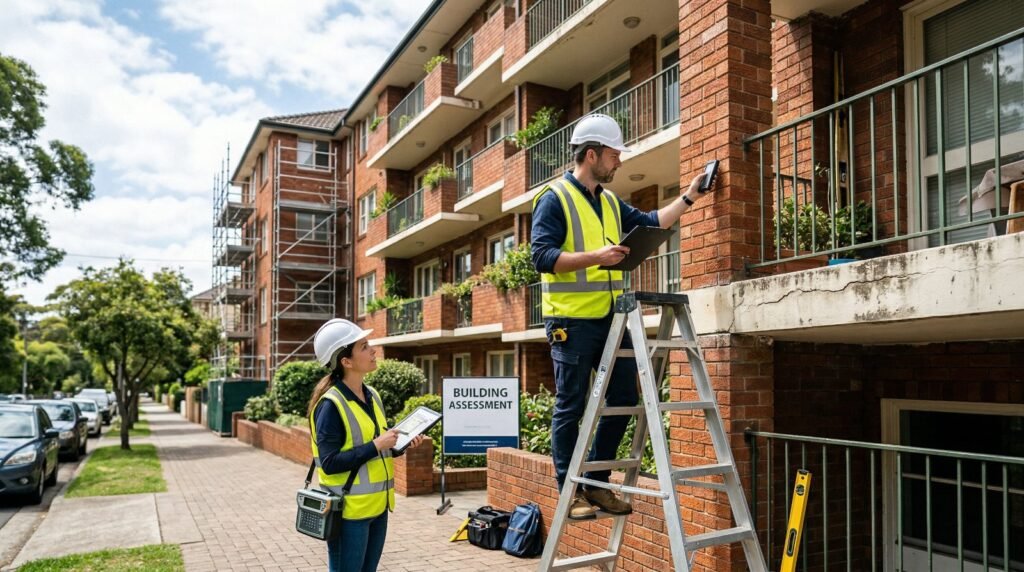
As Malaysia approaches 2026, a significant portion of its commercial and residential real estate—particularly structures built during the rapid development boom of the 1990s—is crossing the critical 30-year threshold. For property owners, developers, and contractors, maintaining the integrity of these aging assets is no longer just about aesthetics; it is a matter of regulatory compliance, financial preservation, and public safety. At the heart of this proactive approach is a comprehensive Building Condition Assessment.
This 2026 guide explores the necessity of evaluating aging properties, identifying early warning signs of degradation, and executing strategic remediations to extend your property’s lifespan.
1. What is a Building Condition Assessment?
A Building Condition Assessment (BCA) is a systematic, professional evaluation of a building’s physical state. Unlike standard real estate appraisals that focus on market value, a BCA is a rigorous, engineering-led diagnostic process designed to evaluate the safety, stability, and functionality of a structure’s architectural, structural, and mechanical components.
Think of it as a comprehensive structural health check for your building. By utilizing advanced diagnostic tools—ranging from non-destructive testing (NDT) to visual inspections—professional engineers can identify hidden vulnerabilities before they escalate into catastrophic failures. Incorporating modern techniques, such as advanced aerial assessments via drones, enables inspectors to safely access high-rise facades and roof structures, ensuring no blind spots remain in the evaluation.

2. Why 2026 is a Critical Year for Ageing Properties
Malaysia’s skyline has transformed dramatically over the past few decades. However, the relentless tropical climate—characterized by high humidity, intense UV exposure, and heavy monsoon rains—accelerates the wear and tear of building materials. As we look toward 2026, properties built in the late 20th century are increasingly vulnerable to material fatigue.
Stringent Building Safety Standards
Under regulations like the Street, Drainage and Building Act 1974 (Act 133), local authorities are strictly enforcing building safety standards. Failure to comply can result in severe penalties, forced closures, or legal liabilities. Regular routine safety checks are legally mandated for buildings exceeding certain heights and ages to prevent structural collapses and ensure occupant safety.
Additionally, for developers undertaking new adjacent construction, conducting a pre-construction risk assessment or dilapidation survey is critical. It establishes a baseline condition of neighboring aging properties, protecting contractors from unwarranted damage claims.
3. Identifying Common Property Defects in Malaysia
Addressing property defects Malaysia requires an understanding of how local environmental factors impact construction materials over time. During a Building Condition Assessment, engineers typically encounter several recurring issues:
- Concrete Spalling and Carbonation: High humidity allows moisture to penetrate microscopic cracks, causing internal steel reinforcements to rust. This rust expands, leading to concrete degradation and spalling, which severely compromises load-bearing capacities.
- Foundation Settlement: Changes in soil conditions can lead to differential settlement, evidenced by diagonal cracking in walls and misaligned door frames.
- Water Ingress and Seepage: Failed waterproofing membranes on flat roofs and basements cause persistent leaks, encouraging mold growth and weakening structural integrity.
While brand-new buildings might face handover issues resolved through a property defect inspection (DLP), aging buildings face cumulative environmental damage that requires specialized concrete technology consultancy to assess material integrity.

4. The Assessment Process: Inspection to Rehabilitation
An effective Building Condition Assessment follows a stringent methodology, ensuring every phase from initial observation to final repair recommendation is documented accurately. The typical workflow includes:
Phase 1: Desktop Study and Documentation Review
Engineers begin by reviewing existing blueprints, maintenance logs, and previous inspection reports. If original plans are lost or outdated, updating structural blueprints through as-built surveys is necessary to map out the current reality of the structure.
Phase 2: Visual and Diagnostic Inspection
Specialists conduct a walk-through to document visible defects. They employ Non-Destructive Testing (NDT) such as ultrasonic pulse velocity (UPV) tests, core extractions, and thermal imaging to detect subsurface anomalies without damaging the building.
Phase 3: Structural Rehabilitation Planning
If critical defects are identified, the assessment transitions into remediation. By consulting with expert remediation strategists, property owners receive a customized structural rehabilitation plan. This may involve carbon fiber wrapping, epoxy injection for crack repair, or localized concrete patching to restore the building to its original load-bearing capacity.
In cases where property damage leads to legal disputes between landlords and tenants, a thoroughly documented BCA serves as crucial evidence, often requiring the intervention of an expert witness in dispute resolution.
5. Commercial Property Maintenance & ROI
For facility managers, integrating a Building Condition Assessment into your annual commercial property maintenance strategy is an investment, not an expense. Reactive maintenance—waiting for a component to break before fixing it—often costs up to four times more than proactive maintenance.
By scheduling systematic structural health checks, asset managers can:
- Accurately forecast capital expenditure (CapEx) for the next 5 to 10 years.
- Enhance the property’s market value and appeal to premium tenants.
- Significantly reduce insurance premiums by demonstrating proactive risk management.
- Comply with global facilities management standards, extending the profitable life cycle of the real estate asset.
To learn more about the broader science of monitoring building lifespans, resources on structural health monitoring provide excellent insights into global engineering practices.
6. Frequently Asked Questions (FAQs)
What triggers the need for a Building Condition Assessment in Malaysia?
A Building Condition Assessment is typically triggered by visible signs of structural distress (like severe cracking or sagging), impending property transactions, the expiration of a building’s design life (usually 30+ years), or mandatory local council requirements under the Street, Drainage and Building Act 1974.
How often should commercial property maintenance include structural health checks?
For buildings older than 10 years, a preliminary structural health check is recommended every 3 to 5 years. For aging properties nearing the 30-year mark, more frequent periodic building inspections are legally required and crucial for early defect detection.
Does an assessment cover property defects in Malaysia for both new and ageing buildings?
Yes. While newly completed projects undergo a Defect Liability Period (DLP) inspection to catch contractor errors, a Building Condition Assessment focuses heavily on age-related deterioration, environmental damage, and cumulative wear and tear in older properties.
What happens if structural rehabilitation is required?
If severe defects are found, the assessing engineers will recommend immediate structural rehabilitation. This involves developing a repair methodology, such as concrete patching, waterproofing, or foundation underpinning, to restore the building’s safety standards and prolong its lifespan.
Secure the Future of Your Property Today
Don’t wait until minor property defects turn into major structural liabilities. Partner with Inspect Solution’s comprehensive engineering experts to ensure your asset meets the highest building safety standards.
