
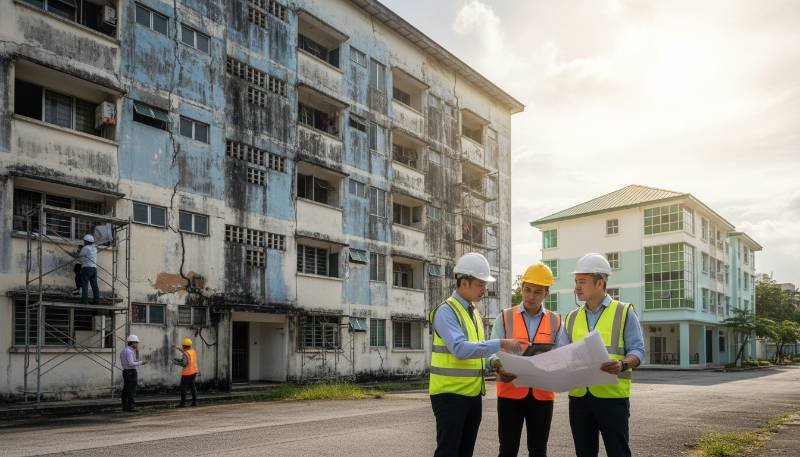
The Anatomy of Malaysia’s Building Leak Crisis
The prevalence of building leaks Malaysia is a complex issue driven by a combination of environmental factors, material limitations, and construction practices. Malaysia’s tropical climate—characterized by heavy monsoon rains, high humidity, and intense ultraviolet (UV) radiation—subjects buildings to continuous thermal expansion and contraction. This perpetual stress cycle breaks down sealants, weakens concrete, and compromises waterproofing membranes.
Furthermore, rapid construction timelines sometimes lead to poor workmanship or the use of sub-standard materials. When water penetrates a building’s envelope, it doesn’t just damage the paint or drywall; it begins a chemical reaction within the structural concrete. If left unchecked, this moisture ingress causes the embedded steel reinforcements to rust and expand, leading to concrete spalling and threatening the very integrity of the structure. Addressing these fundamental flaws early on through a property defect inspection during the defect liability period can save property owners significant remediation costs down the line.

Spotting the Danger: Signs of Structural Failure
Building collapses and severe structural failures rarely happen overnight. They are preceded by warning signals that, to the untrained eye, might seem like minor cosmetic defects. Recognizing these signs of structural failure early is paramount to maintaining building safety Malaysia.
Key Indicators to Watch For:
- Diagonal or Stair-Step Cracks: Cracks that run diagonally across brickwork or concrete walls are classic indicators of foundation settlement or structural movement.
- Spalling Concrete: When chunks of concrete begin to flake or fall off, exposing rusted rebar beneath, the structural load-bearing capacity is actively being compromised.
- Persistent Dampness and Efflorescence: White, powdery stains on concrete walls (efflorescence) indicate water is traveling through the material, bringing leached salts to the surface.
- Sagging Floors or Ceilings: Deflection in structural slabs points to inadequate support, overloading, or severe material degradation.
- Sticking Doors and Windows: Unexplained shifting in doorframes can be a sign that the building’s structural frame is warping or sinking.
If you notice any of these signs, immediate action is required. A thorough comprehensive building condition assessment will map out the extent of the deterioration before it worsens.
What is Structural Repair Consultancy?
A structural repair consultancy is a specialized engineering discipline focused on the assessment, diagnosis, and remediation of distressed or failing buildings. Unlike general contractors who might simply “patch and paint” a visible crack, a specialized consultant investigates the root cause of the defect to provide a permanent, scientifically backed engineering solution.
At Inspect Solution, our approach is grounded in rigorous structural defects diagnosis. We leverage advanced non-destructive testing (NDT), core sampling, and structural modeling to understand precisely why a building component is failing. For complex multi-story properties, we even employ advanced drone façade inspections to safely assess hard-to-reach areas for moisture ingress and structural cracking.
The Diagnosis and Restoration Process
Effective structural cracks repair and building restoration require a systematic, phased approach. Guesswork in structural repair can lead to catastrophic, multi-million ringgit failures.
1. Preliminary Investigation and Testing
The first step involves a deep dive into the building’s current state. This may include reviewing as-built survey & drawing services to understand the original design intent. Consultants will conduct tests for carbonation depth, chloride penetration, and concrete compressive strength, often working alongside concrete technology experts to analyze material degradation.
2. Root Cause Analysis
Is the crack structural (load-bearing) or non-structural (shrinkage)? Is the water ingress due to a failed membrane, or porous concrete? Accurate structural defects diagnosis isolates the actual trigger of the failure, ensuring the proposed repair addresses the disease, not just the symptom.
3. Designing the Repair Strategy
Once the cause is identified, the structural repair consultancy designs a tailored rectification methodology. This could involve epoxy resin injections for dormant cracks, carbon fiber reinforced polymer (CFRP) wrapping for weakened columns, or advanced cathodic protection systems to halt rebar corrosion.

4. Implementation and Quality Control
During the actual repair phase, consultants provide oversight to ensure contractors adhere strictly to the engineering specifications. This quality assurance step is critical; even the best repair materials will fail if applied incorrectly.
Why Preventive Action Saves Millions
In Malaysia’s humid climate, the phrase “wait and see” is the most expensive mistake a property owner can make. Water ingress accelerates exponentially. A minor leak that could be resolved with a few thousand ringgit in waterproofing and localized crack injection can quickly evolve into a major structural overhaul costing millions.
For developers and management bodies, adhering to mandatory periodic building inspections is not just a regulatory hurdle outlined by the Construction Industry Development Board (CIDB) and local authorities—it is a vital risk management strategy. Furthermore, if you are conducting adjacent construction, engaging a consultant for dilapidation surveys will protect you from unwarranted liability claims regarding structural damages to neighboring properties.
Frequently Asked Questions (FAQs)
Why do so many buildings in Malaysia experience leaks?
Buildings in Malaysia frequently leak due to the harsh tropical climate, featuring intense heat and heavy monsoon rains. This causes extreme thermal expansion and contraction, which degrades waterproofing membranes and sealants over time. Poor initial workmanship and inadequate concrete cover over steel reinforcements also heavily contribute to this issue.
What is the difference between a structural crack and an aesthetic crack?
Aesthetic (non-structural) cracks are typically thin, hairline cracks caused by temperature changes or minor shrinkage of plaster, and they do not threaten building stability. Structural cracks, however, are usually wider (over 2mm), continuous, may run diagonally, and indicate that the building’s load-bearing elements (like columns, beams, or foundations) are failing or settling.
Why should I hire a structural repair consultancy instead of a general contractor?
A general contractor may only treat the surface symptom of a defect (like patching a crack or repainting). A structural repair consultancy conducts scientific testing and engineering analysis to diagnose the root cause of the failure, providing a certified, permanent engineering solution that guarantees the safety and longevity of the asset.
How does concrete spalling affect building safety in Malaysia?
Concrete spalling occurs when water penetrates concrete and causes the internal steel rebar to rust and expand, pushing the concrete outward until it breaks off. This reduces the structural integrity of the affected element and poses a severe risk of falling debris, making it a critical safety hazard that requires immediate professional structural cracks repair.
Don’t Let Silent Leaks Destroy Your Property’s Value
If you suspect structural defects, water ingress, or unexplained cracks in your building, immediate expert intervention is vital. Protect your asset and ensure compliance with our certified Structural Repair Consultancy.
